
We Make Good Money. Why Are We Still Struggling?
The paycheck arrives. The bills get paid. Groceries, gas, and a few unexpected expenses take their share. Before long, you’re checking the calendar to see how many days remain until payday.
You look at your household income and wonder, “How can we make this much money and still feel so financially stressed?”
Maybe you feel embarrassed. You know people who earn less, so asking for help seems uncomfortable. You tell yourself you should be able to figure this out.
But a healthy income does not automatically create a healthy financial situation. Understanding where the pressure comes from is the first step toward changing it.
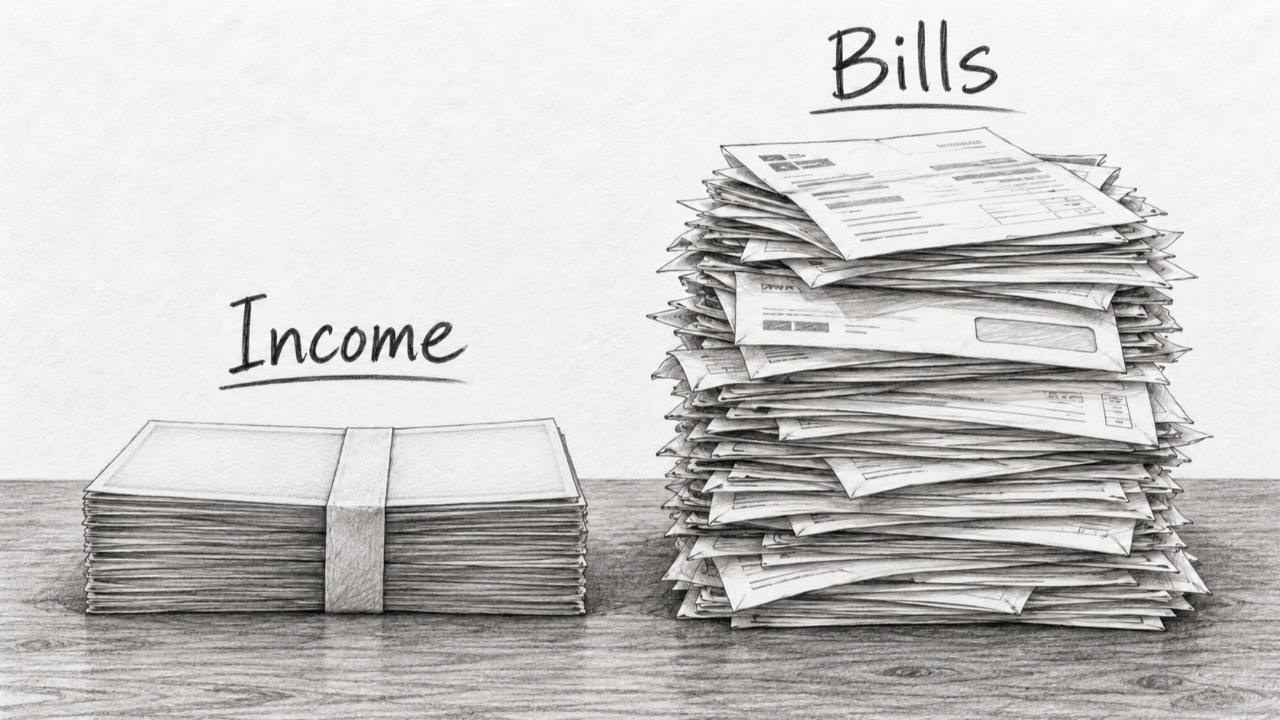
Your Income May Already Be Spoken For
A mortgage. Two car payments. Student loans. Credit cards. Monthly subscriptions. A financed purchase that seemed manageable at the time.
Each payment may have fit your budget when you added it. Together, they can leave very little room to breathe.
This is one reason a good salary can feel surprisingly small. Much of the money arriving today is already committed to decisions made months or years ago.
Start by listing your recurring obligations and their monthly costs. Include debt payments, housing, utilities, insurance, memberships, and subscriptions.
Then compare that total with your monthly take-home pay. How much remains for food, transportation, giving, saving, and everything else?
Seeing these commitments together can explain a struggle that your income alone cannot.
“Unexpected” Expenses Keep Showing Up
You finally have a month when the budget seems to work. Then the car needs tires.
The next month brings a school expense. After that, an insurance premium comes due.
Some expenses are genuine surprises. Others are predictable expenses with unpredictable timing—or bills we simply forgot to plan for.
Cars need maintenance. Children outgrow clothes. Holidays and birthdays return every year.
Look through several months of transactions and identify expenses that do not happen monthly. For predictable annual costs, divide the expected amount by twelve and begin setting money aside each month. For categories such as repairs, make a reasonable estimate and adjust as you learn.
A budget needs to account for the life you actually live, including the months that cost more.
Small Spending Habits Can Hide in a Large Income
A higher income can make individual purchases feel insignificant.
It’s just lunch. Just a delivery fee. Just something for the kids.
There is nothing inherently wrong with enjoying a meal or buying a gift. The difficulty comes when repeated purchases consume money you intended to use elsewhere.
Review your last thirty days of spending. Group purchases into categories such as groceries, restaurants, shopping, and entertainment.
Approach this as an investigation. The goal is to understand your habits, not build a case against yourself or your spouse.
Which totals surprise you? Which purchases brought lasting enjoyment? Which would you skip if you could make the decision again?
Those answers can help you make changes you’ll actually maintain.
Your Spending May Have Grown With Your Income
Think about your last raise. Did it create breathing room, or did new expenses gradually absorb it?
A larger income can lead to a larger house payment, more activities, more convenience purchases, and more expensive vacations. Over time, yesterday’s upgrades become today’s expectations.
Consider choosing one or two areas where you could lower costs without undermining what matters most to your family. A sustainable change is more useful than an ambitious plan you abandon after two weeks.
You Can Move Forward Without Shame
Financial stress is a problem to address. It does not have to become your identity.
Scripture encourages us to seek wisdom: “Plans fail for lack of counsel, but with many advisers they succeed” (Proverbs 15:22).
Start with three questions:
- What have we already committed our income to?
- What expenses have we failed to prepare for?
- Where is our spending drifting away from our priorities?
If you’re married, work through these questions together. Use “we” language and focus on what you can change next.
At Christian Money Help, we help individuals and couples understand their finances and take practical steps rooted in biblical stewardship. You don’t need to wait until a crisis to seek guidance.
You may make good money and still need help managing it. Asking for that help can be a wise step toward greater clarity, healthier habits, and more room to live and give generously.
Are you struggling to overcome money issues? We can help.
Our Christian financial counselors are trained to help you overcome the stress and anxiety of money. Gain clarity, confidence, and peace in your financial situation.